
Silver bullion has long been a trusted investment, prized for its intrinsic value and stability. However, one common question among investors is, does tarnished silver bullion lose value? Tarnish, a natural result of silver’s exposure to environmental elements, can cause discoloration or a dull surface on bullion coins and bars. While tarnish may alter the appearance of silver items, its impact on value isn’t as straightforward as it seems.
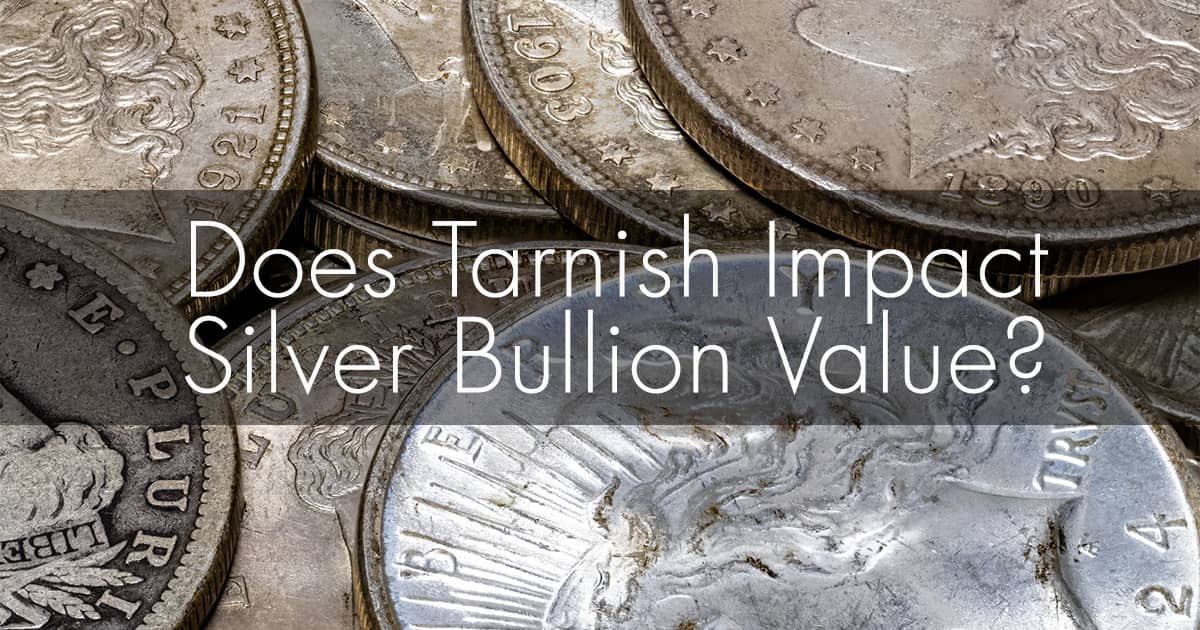
For investors storing silver in a precious metals depository, understanding the tarnishing process and its implications is essential. Tarnish occurs as a thin layer forms on the surface due to a chemical reaction. While it can make silver bullion less visually appealing, tarnish doesn’t necessarily reduce the metal’s market value.
This blog explores the causes of silver tarnish, its effect on the value of silver bullion, and how proper storage and care can help preserve your investment. By the end, you’ll have a clear understanding of whether tarnished silver bullion truly loses value and how to safeguard your assets effectively.
What is Tarnish and Why Does it Occur?
Tarnish is a natural phenomenon that occurs when silver is exposed to certain elements in the environment, leading to the formation of a thin layer on its surface. This layer results from a chemical reaction between silver and sulfur compounds in the air, often found in polluted environments, or from exposure to substances like hydrogen sulfide. While it may alter the appearance of silver bullion coins or bars, tarnish does not indicate structural damage or degradation of the silver itself.
Several factors can cause silver to tarnish faster. High humidity levels, air pollution and contact with materials that release sulfur compounds, such as rubber or certain types of paint, can accelerate the tarnishing process. Even handling silver bullion without precautions can contribute to tarnish, as oils from the skin can react with the metal.
Pure silver tarnishes less quickly than alloys, but both are subject to tarnishing over time. Though tarnish may appear to be a flaw, it is purely cosmetic, and the underlying value of the silver remains unchanged.
Does Tarnish Impact the Value of Silver Bullion?
The value of silver bullion is primarily determined by its weight and purity, making tarnish a secondary concern. However, the type of silver—whether bullion coins, collectible coins, or silver bullion bars—plays a role in how tarnish is perceived in the market.
For silver bullion bars and coins, tarnish generally does not significantly affect their intrinsic value, which is tied to the global silver market price. Investors focused on the metal’s worth rather than its appearance typically don’t penalize tarnished items. However, tarnish may impact a bullion coin’s resale value slightly if the buyer prefers aesthetically pristine silver.
In contrast, tarnish can have a greater impact on collectible coins. Coin collectors often prefer untarnished pieces for their visual appeal and to achieve higher grades during professional appraisals. Tarnish might lower a coin’s grade, reducing its numismatic value, even though the silver content remains the same.
Overall, while tarnish may affect the perceived value for collectors or in resale scenarios, it does not diminish the intrinsic value of silver bullion stored in a secure environment, such as a professional depository like International Depository Services (IDS). This makes proper storage and handling essential for maintaining both aesthetic and market value.
Should you Clean Silver Coins?
The decision to clean silver coins depends on the type of coin. For most silver coins, cleaning is generally acceptable if you prefer the brilliant shine of pure silver. Since their value lies in the metal content, tarnish or toning won’t negatively impact their worth, making it a matter of personal preference.
However, cleaning numismatic coins—those with historical or collectible value—is strongly discouraged. Cleaning can strip away the patina, a natural layer of toning or verdigris that collectors often value. Removing this patina can significantly reduce a coin’s appeal and market value. For older or rarer coins, it’s best to leave them untouched. If you’re uncertain about a coin’s value, consult a professional numismatist for guidance before taking any action.
How to Clean Tarnished Silver
Despite best efforts, silver bullion may still tarnish over time. Fortunately, tarnish can be easily removed without compromising the value of your investment—if done correctly. Here’s a step-by-step guide for cleaning tarnished silver bullion:
- Determine If Cleaning Is Necessary
- Tarnish on silver bullion bars and coins doesn’t affect intrinsic value but may impact visual appeal. For collectible coins, cleaning is usually discouraged, as it can reduce numismatic value.
- Gather Safe Cleaning Supplies
-
- You will need:
- A container
- Aluminum foil
- Hot and cool water
- New baking soda
- Latex gloves
- You will need:
- Line the Container with Aluminum Foil
Fully line the inside of your container with aluminum foil, ensuring there are minimal gaps. For extra coverage, use multiple layers if needed.
- Add Baking Soda
Evenly sprinkle baking soda over the aluminum foil, creating a layer thick enough to almost completely cover the foil at the bottom of the container.
- Place Tarnished Silver Coins
Arrange the tarnished silver coins in the center of the container with the most tarnished side facing up. If both sides are equally tarnished, you may need to repeat the process to treat each side.
- Add More Baking Soda and Hot Water
Sprinkle additional baking soda over the coins, completely covering them. Slowly pour hot water into the container until the coins are fully submerged. Add another layer of baking soda on top, ensuring even coverage. Allow the coins to soak for at least five minutes, adjusting the soak time based on the level of tarnish.
- Gently Scrub Away Tarnish
Put on latex gloves and gently scrub the silver using the baking soda and water mixture. Be cautious to avoid scratching the surface. Focus on all sides, including edges and rinse frequently to assess progress. Reapply baking soda as needed for stubborn tarnish.
- Rinse with Cold Water
Rinse the coins thoroughly with cold water to remove any baking soda residue. Skipping this step may leave behind white spots from dried baking soda.
- Inspect and Repeat if Necessary
Examine the coins for any remaining tarnish or residue. If needed, repeat steps 3–6 until the coins are clean. Once satisfied, enjoy your like-new silver coins.
Important Note: Over-cleaning can strip away details on coins or damage the surface of bullion bars, diminishing their appeal to collectors and investors. Cleaning should be approached with caution or avoided altogether, particularly for items with high numismatic value.
By following these steps, investors can maintain the appearance of their silver bullion while protecting its value. For long-term preservation, proper storage in a professional depository like IDS is always the best choice.
Why Trust a Precious Metals Depository for Silver Storage?
Storing silver bullion at a professional precious metals depository offers unmatched benefits for preserving the condition and value of your investment. Unlike home storage, which can expose silver items to unpredictable environmental factors like high humidity and pollutants, a depository provides a controlled and secure environment designed to minimize tarnishing and damage.
Depositories like International Depository Services (IDS) use climate control systems to maintain ideal storage conditions.
In addition to environmental safeguards, professional handling services offered by depositories provide added protection. Trained personnel use best practices, such as wearing cotton gloves and avoiding direct contact with silver objects, to reduce the risk of tarnishing or physical damage. These measures are particularly important for investors with large collections or those who value the aesthetic appeal of their silver bullion.
By trusting a professional depository like IDS, you not only protect your silver bullion from tarnish but also gain peace of mind knowing your assets are stored securely, professionally, and insured ready to retain their value for years to come.
Conclusion
Tarnish on silver bullion is a natural process that can alter its appearance, but with proper care and professional storage, its impact can be minimized or possibly prevented. While tarnish does not reduce the intrinsic value of silver bullion, maintaining its aesthetic appeal ensures broader marketability and higher resale potential, particularly for collectors.
Storing your silver bullion at a professional depository such as International Depository Services (IDS) is the best way to safeguard your investment. With climate-controlled environments and professional handling, a depository offers protection against tarnishing and other potential damage. Whether you are a seasoned investor or new to silver ownership, trusting a depository ensures your silver bullion retains its value and remains in excellent condition.
Protect your silver investments today by exploring the storage solutions offered by IDS. With proper care and secure storage, your silver bullion will continue to shine—both in appearance and in value—for generations to come.
Protect Your Silver Investments with IDS Today
Safeguard the value and appearance of your silver bullion by choosing International Depository Services for secure, professional storage. Our state-of-the-art depositories provide climate-controlled environments and expert handling to prevent tarnish and preserve your investments.
With IDS, you’ll enjoy peace of mind knowing your precious metals are protected by cutting-edge security and unparalleled expertise. Whether you’re storing silver bullion bars, coins, or collectibles, our tailored solutions ensure your assets remain in pristine condition and ready for resale whenever you need them.
Don’t leave your investments to chance. Contact IDS today to learn more about our silver storage options and discover why thousands of investors trust us to protect their wealth. Call 888-322-6150 now or visit
- IDS of Delaware, New Castle, Delaware (just outside Wilmington)
- IDS of Texas, Dallas, Texas (the largest precious metal depository in the United States)
- IDS of Canada, Mississauga, Ontario (just outside Toronto).